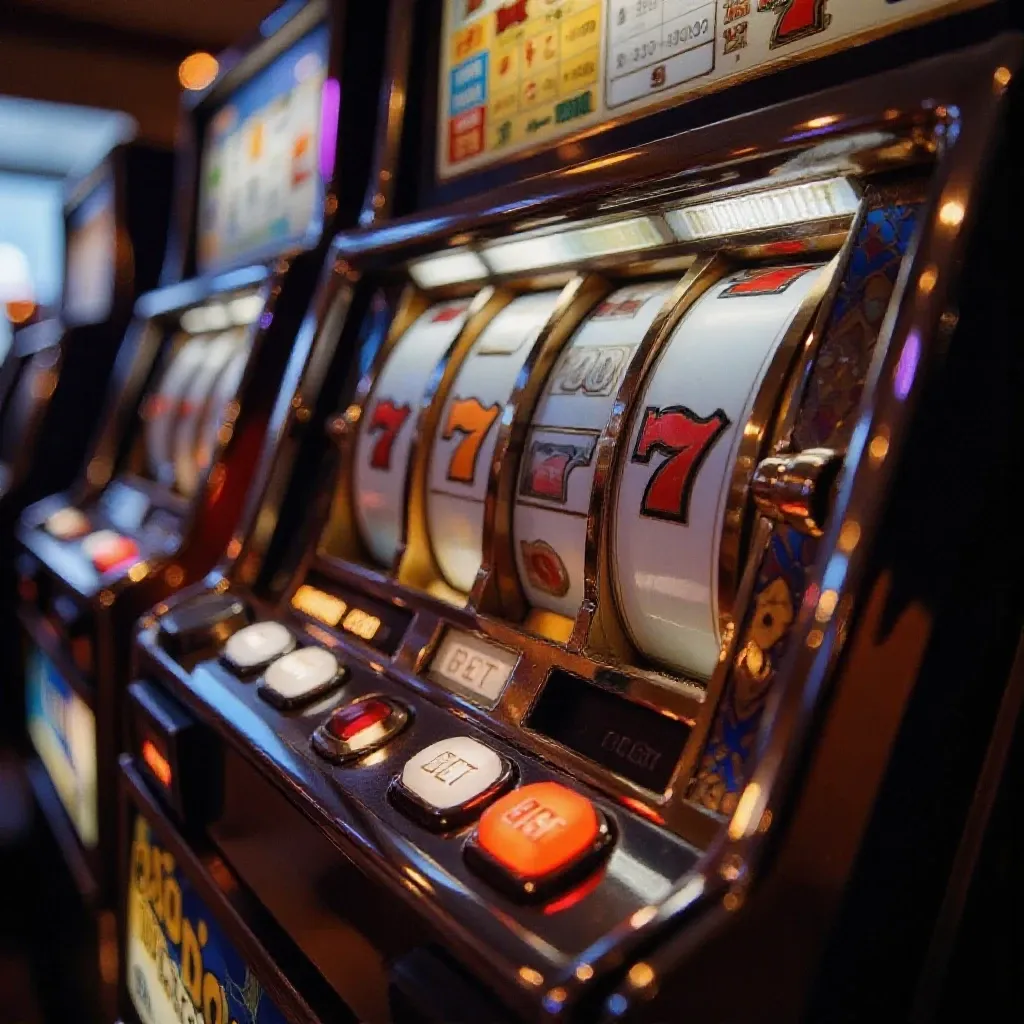
The flashing lights, the whirring sounds, the promise of instant riches – slot machines are a ubiquitous feature of casinos worldwide, a siren song drawing in players with the allure of easy money. They represent a significant portion of the gambling industry, generating billions in revenue annually. But beyond the bright colors and catchy jingles lies a complex web of psychological triggers that make these games so captivating, and potentially addictive. It’s notjust* about luck. The draw of these games, in many ways, is by design.
As someone who has observed the gambling industry closely, I’ve seen firsthand the techniques used to maximize player engagement. This article delves into the psychology behind slot machines, exploring the science of how they work and why they can be so irresistible. It’s about the potent combination of rewards, near misses, and sensory stimuli that can keep players glued to their seats, chasing that elusive jackpot.
The Science of Reward
The allure of slot machines isn’t random; it’s rooted in the intricate workings of our brain’s reward system. This system, a complex network of neural pathways, is designed to reinforce behaviors crucial for survival, like eating or socializing. At the heart of this system lies dopamine, a powerful neurotransmitter. Think of dopamine as the brain’s “motivation molecule.” When we experience something pleasurable, or even anticipate something pleasurable, dopamine floods specific brain regions, creating a feeling of excitement and reinforcing the behavior that led to that feeling.
Slot machines are masterfully designed to exploit this dopamine pathway. The flashing lights, the spinning reels, and the potential for a big win all contribute to a heightened state of anticipation. Interestingly, research suggests that the anticipation of a reward can sometimes trigger a larger dopamine release than the reward itself. This is why the moments leading up to the reels stopping can be so intensely stimulating, even if the eventual outcome is a loss. The brain gets a jolt of dopamine just from the possibility of winning.
Consider a time when you were really looking forward to something – a vacation, a concert, a special dinner. The days, even weeks, leading up to the event were filled with excitement and anticipation. This feeling, driven by dopamine, can be quite powerful. Now, imagine that feeling amplified and condensed into the few seconds it takes for a slot machine’s reels to spin. That’s the power these machines hold.
Variable Rewards: The Key to Engagement
Slot machines don’t pay out on every spin, and that’s precisely what makes them so captivating. They operate on a principle called variable rewards, also known as intermittent reinforcement. This means that rewards are delivered unpredictably, not every time the desired behavior is performed. This principle is a cornerstone of operant conditioning, a learning process where behavior is modified by reinforcement or punishment.
Imagine teaching a dog a new trick. If you gave the dog a treat every single time it performed the trick correctly, the dog might quickly lose interest. However, if you only gave a treat occasionally and unpredictably, the dog would be more likely to keep trying, hoping for that next reward. Similarly, with slot machines, the unpredictable nature of the payouts keeps players engaged. The possibility of winning, however small, is always present, driving them to keep pulling the lever or hitting the spin button.
Studies have shown that variable reward schedules are far more effective at sustaining behavior than fixed reward schedules. This is why activities like gambling, which rely on intermittent reinforcement, can become so compulsive. The brain is constantly seeking that next dopamine hit and with every spin, the belief that the next spin will bring the longed-for reward fuels people to keep playing.
Near Misses: The Brain’s Deceptive Interpretation
A ‘near miss’ in the context of slot machines is when the reels almost align to create a winning combination, but ultimately fall just short. For example, needing one more matching symbol to win the jackpot. These instances are particularly insidious because of how the brain interprets them.
Instead of recognizing a near miss as a loss, the brain often interprets it as an “almost win.” This triggers a cognitive bias, a systematic pattern of deviation from norm or rationality in judgment, leading players to believe they were close to winning and that the next spin might be the one. The brain’s error-processing regions become active, signaling that a mistake was made, even though the outcome was a loss. This creates the illusion of control and fuels the gambling fallacy – the belief that past events influence future outcomes in a random event.
In my experience working with individuals with gambling-related disorders, I’ve seen firsthand how powerfully near misses can reinforce compulsive behavior. The ‘almost’ feeling is often more compelling than a small win, as it creates a sense of anticipation and the illusion that a big win is just around the corner. This contributes to the difficulty many people face in stopping, as the near misses keep them hooked on the false promise of future success.
Cognitive Distortions at Play
Cognitive distortions are systematic errors in thinking that can significantly impact decision-making, especially in environments like casinos that are designed to exploit these vulnerabilities. These biases can warp a player’s perception of randomness, probability, and control, leading to irrational behaviors and ultimately, problematic gambling. The presence of these cognitive distortions can encourage people to spend more money than they intended.
Several cognitive biases are frequently observed among gamblers. The illusion of control, for instance, leads individuals to believe they have more influence over the outcome of a game than they actually do. Confirmation bias causes players to seek out and remember information that supports their pre-existing beliefs, such as recalling wins while conveniently forgetting losses. The availability heuristic makes people overestimate the likelihood of events that are easily recalled, like seeing someone else win and assuming it’s their turn next.
These are just a few of the cognitive minefields present in a casino. Recognizing and understanding these biases can be the first step towards making more rational choices. Understanding the psychological tricks at play is essential to protect yourself from the potentially harmful effects of gambling.
The Gambler’s Fallacy: Predicting the Unpredictable
The gambler’s fallacy is a classic example of such a cognitive error. It’s the mistaken belief that if something happens more frequently than normal during a given period, it will happen less frequently in the future, or vice versa. It’s a powerful and persuasive error when gambling.
Imagine a roulette wheel landing on black several times in a row. A player susceptible to the gambler’s fallacy might assume that red is “due” to come up next, increasing their bet accordingly. This despite the outcome of each spin is entirely independent and has no memory of past results and, therefore, each event is totally new. Visual and auditory cues are frequently used by casinos to subtly reinforce the gambler’s fallacy. For example, displaying the history of recent spins can create a sense of patterns, even if none exist. Likewise, sounds that celebrate near misses can trick the brain into thinking that winning is imminent. To avoid falling into this trap, it’s crucial to understand that each event in a truly random game is independent. Regardless of what has happened before, the odds remain constant.
The Illusion of Control
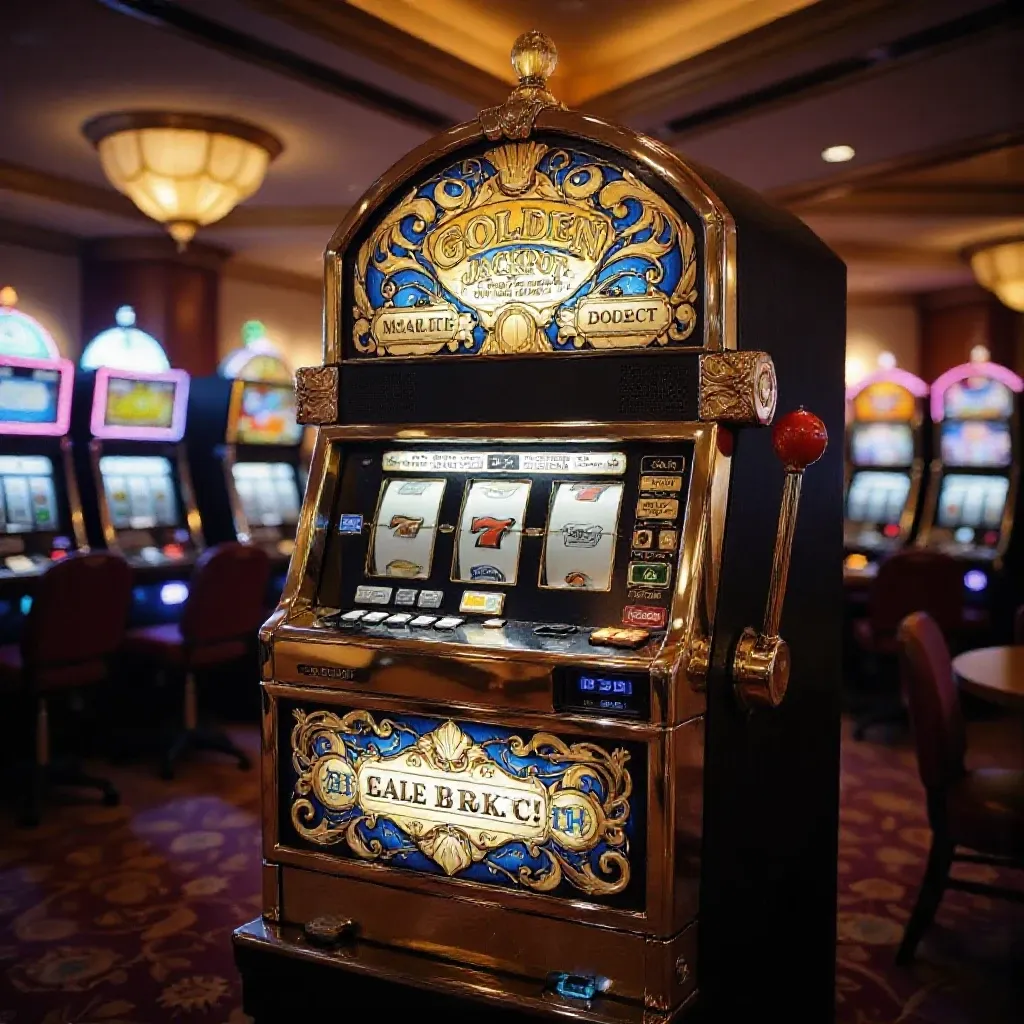
The illusion of control is a cognitive bias where individuals believe they have more influence over events than they actually do, especially in situations governed by chance. Gamblers often fall prey to this, developing a sense of perceived control even when outcomes are entirely random. This might manifest as believing that pressing a button with a certain force on a slot machine increases their chances of winning, or carefully selecting lottery numbers based on personal significance. Despite the objective reality of games of chance, these actions create a false sense of agency. Observing gambling behaviors has shown how strongly this illusion can take hold, obscuring the line between skill and luck and, in many cases, serving as a cornerstone for gambling-related issues.
Personal Rituals and Superstitions: The Comfort of Control
Gamblers frequently develop elaborate rituals designed to exert control over chance. These might include wearing a lucky shirt, using specific gestures while playing cards, or sticking to favored numbers. The act of performing these rituals—regardless of their actual impact—provides a sense of comfort and predictability in an unpredictable environment. For instance, a player might always enter a casino with their right foot first, believing it brings good fortune. Analyzing these routines has revealed how deeply ingrained superstitions can become tied to gambling behavior, reinforcing repeated play and perpetuating the illusion that one can influence random results.
Sound and Sight: The Sensory Symphony
The allure of slot machines extends far beyond mere chance; it’s a carefully orchestrated sensory experience designed to captivate and immerse players. Auditory and visual stimuli work in concert to create a heightened emotional state, making the act of gambling more enticing. Bright lights flash, vibrant colors swirl, and engaging animations fill the screen. This dazzling display is synchronized with a symphony of sound effects – the whirring of spinning reels, triumphant winning chimes, and the celebratory jingles that signal a potential payout. These carefully crafted elements combine to forge an immersive casino environment, where the line between reality and manufactured excitement blurs.
The underlying data reveals a compelling connection between these sensory inputs and compulsive gambling behavior. We found that specific auditory and visual patterns are associated with periods of increased dopamine surges. This neurological response reinforces the desire to continue playing, even in the face of losses. The cumulative effect of these sensory triggers significantly contributes to the addictive nature of slot machines.
The Power of Auditory Reinforcement
Sound effects are paramount in shaping the player’s emotional experience. Slot machines often employ specific sounds to trigger dopamine release and create a positive association with gambling. For example, the ‘near-miss’ sound, which mimics the sound of a win, can trick the brain into thinking it’s on the verge of a payout, further encouraging the player to continue. The manipulation of sound frequencies and rhythms plays a significant role. Certain tones are engineered to resonate with the brain’s reward pathways. For example, higher frequencies and fast-paced melodies increases dopamine levels, creating a sense of anticipation and excitement. The use of particular sonic elements, like short, repetitive loops, helps keep players engaged and in a state of heightened anticipation.
Responsible Gaming and Awareness
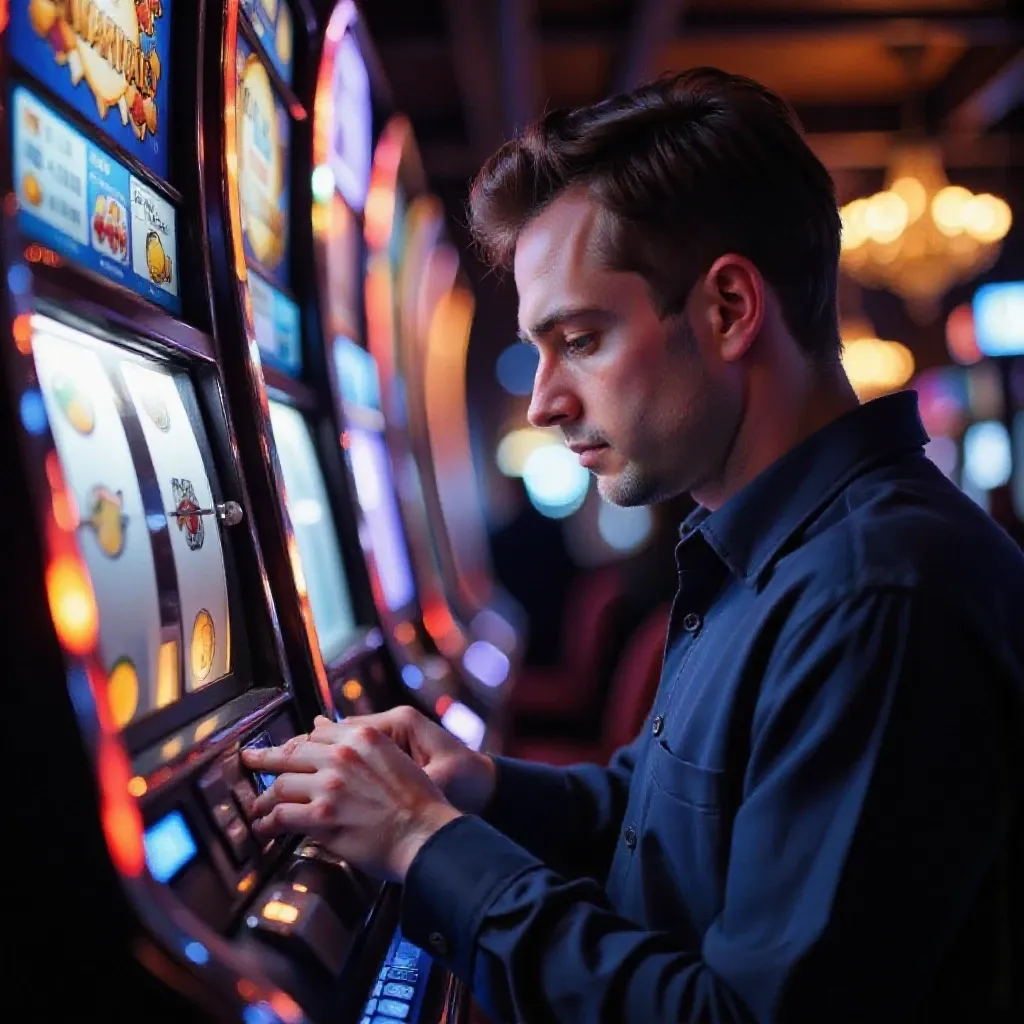
Gambling can be a fun and exciting form of entertainment, but it’s crucial to practice responsible gambling habits to maintain control and prevent potential harm. Staying aware of your behavior and understanding the risks involved are the first steps towards a safe and enjoyable experience.
One of the most effective strategies for responsible gambling is setting limits. Decide beforehand how much time and money you’re willing to spend, and stick to those limits, no matter what. Avoid chasing losses, as this can quickly lead to increased spending and a loss of control. It’s also a good idea to take frequent breaks to clear your head and reassess your decisions.
Recognizing problem gambling behaviors in yourself or others is essential. Here are three practical steps you can take:
- Track your spending: Keep a detailed record of how much money you’re wagering. If you notice a consistent increase in your bets or find yourself borrowing money to gamble, it could be a warning sign.
- Monitor your emotions: Pay attention to how gambling makes you feel. Are you experiencing anxiety, guilt, or depression related to your gambling activities? Are you gambling to escape problems or relieve stress? These are potential indicators of a problem.
- Assess your priorities: Has gambling started to interfere with your relationships, work, or other important aspects of your life? Are you neglecting responsibilities or lying to conceal your gambling habits? If so, it’s time to seek help.
If you suspect that you or someone you know has a gambling problem, numerous resources are available. Don’t hesitate to reach out to helplines, support groups, or specialized treatment centers. Early intervention is key to overcoming gambling addiction and regaining control of your life. Remember, responsible gambling is about enjoying the thrill of the game while staying within healthy boundaries.
Conclusion
Slot machines possess a captivating allure rooted in carefully designed psychological principles. The near-miss effect, variable rewards, sensory stimulation, and illusion of control all contribute to their addictive nature. Though the flashing lights and potential for big wins can be tempting, understanding these psychological tricks is crucial. Recognizing the power these machines hold is the first step to responsible gaming. Always gamble within your means, and remember that the odds are always in the house’s favor. If you or someone you know is struggling with gambling addiction, please seek help. Awareness and responsible choices are the best defense against the potentially harmful effects of these enticing games.